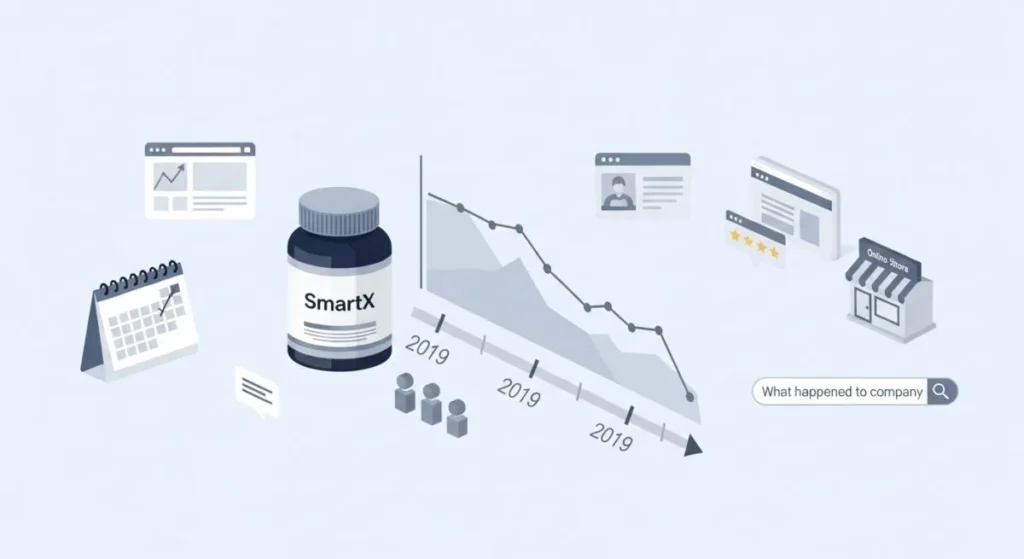
Many people still ask why did Cerebral Success go out of business, especially after its early rise on national television. Cerebral Success gained widespread attention after appearing on Shark Tank, where its brain-boosting supplement promised better focus and mental performance. The exposure led to rapid growth, strong early sales, and placement in major retail stores.
However, despite that initial success, the company quietly shut down around 2019 without a formal public announcement. Over time, customers noticed warning signs such as website downtime, unavailable products, and a lack of customer support. Interest shifted from product benefits to questions about what went wrong.
This article provides a clear, fact-based breakdown of Cerebral Success’s rise and fall, exploring the real reasons behind its shutdown, the challenges it faced, and the lessons that can be learned from its story.
What Was Cerebral Success? (Company Background)
Before shutting down, Cerebral Success built a strong public presence as a brain-boosting supplement brand. Its rise was fueled by national TV exposure and early retail success.
Founding and Product Overview
Cerebral Success was founded by Trevor Hiltbrand, with the goal of creating a cognitive enhancement supplement for everyday use. The company’s flagship product, SmartX, was marketed as a legal alternative to Adderall, targeting consumers who wanted better mental performance without prescription stimulants.
SmartX focused on improving memory, focus, and productivity, appealing to students, professionals, and entrepreneurs. During its early years, the supplement gained traction due to its simple positioning and promise of cleaner energy and mental clarity. This clear message helped the brand stand out briefly in a growing nootropic market.
Shark Tank Appearance and Early Growth
Cerebral Success gained major visibility after appearing on Shark Tank in Season 5. During the pitch, the company attracted interest from Barbara Corcoran, which significantly boosted brand credibility and consumer trust.
Following the show, Cerebral Success experienced strong early growth. SmartX expanded distribution to major retailers like GNC and became available on Amazon. This exposure helped drive sales nationwide a
nd positioned the brand as a promising player in the cognitive supplement space at least in its early stages.
When Did Cerebral Success Go Out of Business?
Cerebral Success never made a formal public announcement about shutting down. Instead, its closure became apparent through a series of warning signs that unfolded over several years.
Timeline of Decline (2017–2019)
After strong early momentum, Cerebral Success began to slow around 2017. Sales growth declined as competition in the nootropic market increased and customer interest faded. By 2018, users started reporting website downtime, frequent product shortages, and out-of-stock listings across major sales channels.
Although the brand remained visible online for a short time, active operations appeared to stop around 2019. Industry reports and third-party sources later confirmed the business had closed, marking the end of Cerebral Success as an active supplement company.
Public Signals the Business Was Ending
Several public indicators made it clear the company was no longer operating. Social media accounts became inactive, with no new posts or customer engagement. Product listings on Amazon disappeared or remained unavailable for extended periods.
In addition, Trevor Hiltbrand shifted his focus to other ventures, signaling a clear move away from Cerebral Success. Together, these signs confirmed that the company had quietly exited the market.
Why Did Cerebral Success Go Out of Business? (Key Reasons)
Cerebral Success did not fail because of a single mistake. Instead, a mix of market pressure, product stagnation, and operational issues gradually pushed the company out of business.
Intense Competition in the Nootropic Market
One of the biggest challenges came from rapid competition in the nootropic space. As interest in brain supplements grew, stronger brands like Qualia Mind and Alpha Brain entered the market with more advanced positioning. These competitors invested heavily in research-backed formulas, clinical studies, and premium ingredient blends.
In comparison, Cerebral Success struggled to keep up. Rival brands also outperformed it in branding, influencer marketing, and content strategy, which helped them build stronger trust and long-term customer loyalty. As a result, Cerebral Success slowly lost market share.
Outdated Formula and Lack of Innovation
Another major issue was the lack of product innovation. The SmartX formula remained largely unchanged over time, even as consumer expectations evolved. Newer nootropic supplements began including adaptogens, amino acids, and clinically tested compounds, while SmartX failed to modernize its ingredient profile.
Without regular updates or improvements, the product started to feel outdated. This caused Cerebral Success to lose relevance, especially among repeat customers who were eager to try newer, more advanced supplements offering clearer benefits and transparency.
Customer Complaints and Trust Issues
Customer trust also declined over time. Reviews across forums and third-party sites reported mixed and inconsistent results, with some users claiming the product did not deliver the promised cognitive benefits. More damaging were complaints related to auto-billing practices, unexpected charges, and difficulty canceling subscriptions.
In addition, users reported poor customer service and delivery delays, which further weakened confidence in the brand. As negative feedback accumulated, it became harder for Cerebral Success to attract new customers or retain existing ones.
Weak Marketing and Failed Rebranding
Cerebral Success also struggled with its branding and marketing strategy after its early success. The shift from the Cerebral Success name to SmartX confused many customers and diluted brand recognition. Instead of refreshing the brand, the rebranding created uncertainty about whether the company was the same product people saw on television.
At the same time, the company failed to adapt to modern eCommerce and social media marketing trends. While competitors invested in digital ads, email funnels, and influencer partnerships, Cerebral Success remained largely stagnant. After its Shark Tank exposure faded, the brand lacked a clear plan to sustain momentum, which ultimately contributed to its shutdown.
Signs That Cerebral Success Was Failing
Long before Cerebral Success officially shut down, several online signals pointed to serious trouble. Changes in search trends and digital activity revealed that public interest in the brand was fading.
Declining Online Interest
One of the clearest warning signs was a shift in search behavior. Instead of looking for product benefits or reviews, users increasingly searched for phrases like “what happened to Cerebral Success.” This change suggested growing uncertainty and concern among potential customers.
At the same time, new customer reviews stopped appearing after 2017. A lack of fresh feedback often indicates reduced sales or halted operations. For a consumer product brand, this drop in engagement is a strong signal that momentum has stalled.
Website, BBB, and Marketplace Issues
Additional red flags appeared across official and third-party platforms. The Cerebral Success website became intermittently inaccessible, making it difficult for users to place orders or find support. Listings on the Better Business Bureau (BBB) showed outdated information and unresolved issues, further damaging trust.
Marketplace activity also declined. Product listings on Amazon were frequently out of stock or completely inactive. Together, these issues made it clear that Cerebral Success was no longer operating as a stable, functioning business.
Lessons Entrepreneurs Can Learn from Cerebral Success
The rise and fall of Cerebral Success offers practical lessons for entrepreneurs building consumer-focused brands. Early visibility can spark growth, but long-term success depends on what happens after the spotlight fades.
Shark Tank Exposure Isn’t Long-Term Security
Appearing on Shark Tank gave Cerebral Success instant credibility and a surge in sales. However, media exposure alone is temporary. Without a strong long-term strategy, product updates, and ongoing marketing, the initial boost quickly fades. Entrepreneurs should treat major publicity as a launchpad, not a finish line.
Innovation and Customer Trust Are Critical
Markets evolve fast, especially in industries like supplements and wellness. Cerebral Success struggled because it failed to innovate while competitors improved formulas and transparency. At the same time, unresolved customer complaints damaged trust. Businesses that don’t listen to customers or improve their offerings risk losing relevance, no matter how strong their early success was.
Branding and Communication Matter
Clear branding builds recognition and loyalty. The confusing shift from Cerebral Success to SmartX weakened brand identity and created uncertainty. Entrepreneurs should prioritize consistent messaging, clear communication, and strong customer support. When customers understand and trust a brand, they are far more likely to stay loyal over the long term.
Final Verdict: What Really Happened to Cerebral Success
When all the evidence is viewed together, Cerebral Success’s shutdown becomes much clearer. The company started strong, gained national attention, and benefited from early retail distribution, but it struggled to sustain that momentum.
Cerebral Success ultimately closed due to a combination of factors, not a single failure. Intense competition from better-funded nootropic brands, an outdated product formula, declining customer trust, and weak post–Shark Tank marketing all played a role. Operational issues, inconsistent customer experiences, and a confusing rebrand further accelerated the decline.
So, why did Cerebral Success go out of business? The short answer is that it failed to adapt. While the brand had early visibility and demand, it did not innovate, modernize its strategy, or maintain customer confidence in a fast-moving market. The result was a quiet exit rather than a sustainable long-term business.
Frequently Asked Questions About Cerebral Success
Is Cerebral Success still in business?
No, Cerebral Success is no longer in business. The company quietly shut down after several years of declining activity, with no formal public closure announcement.
When did Cerebral Success shut down?
Cerebral Success is widely believed to have shut down around 2019. By that time, its website experienced downtime, products were unavailable across major marketplaces, and customer engagement had largely stopped.
Why did Cerebral Success fail after Shark Tank?
Although the company gained strong exposure from Shark Tank, that success was short-lived. Increased competition, lack of product innovation, customer trust issues, and weak long-term marketing strategies made it difficult to sustain growth after the show.
What happened to the SmartX supplement?
The SmartX supplement gradually disappeared from online stores and retail shelves as the business declined. The formula was not updated to match newer nootropic products, and production appears to have stopped once Cerebral Success ceased operations.
Who was the founder of Cerebral Success?
Cerebral Success was founded by Trevor Hiltbrand, who later moved on to other business ventures after the company shut down.