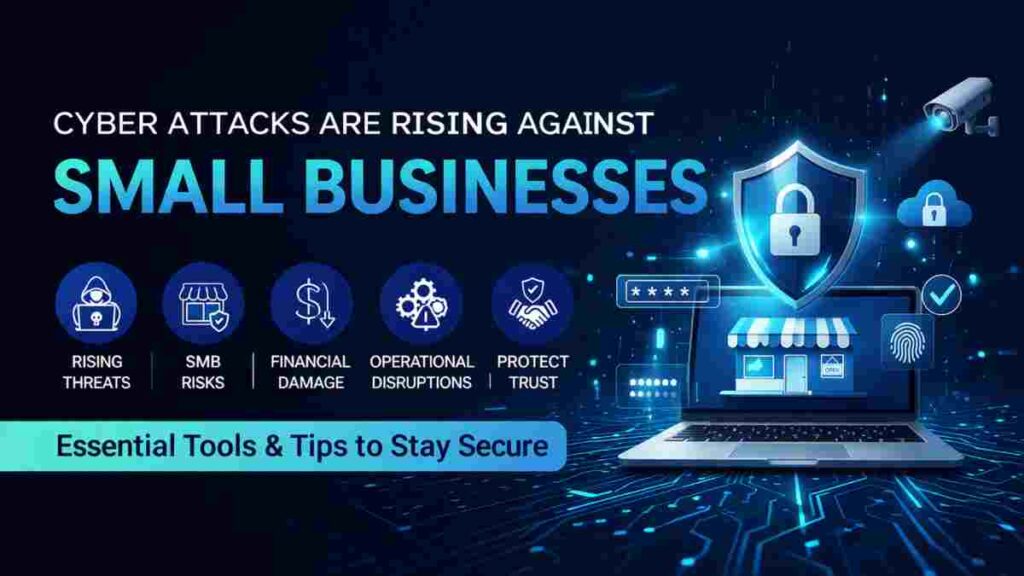
Small businesses run on trust, speed, and daily momentum. Orders move through emails. Payments flow through digital platforms. Customer records sit inside cloud dashboards. Yet many owners still believe cyber attacks only target large corporations. The reality tells a different story.
Attackers often go after smaller firms because their defenses are easier to break. Limited budgets, small teams, and basic security setups create gaps that criminals look for. Recent reports show small and mid-size companies now face a large share of cyber incidents, and many never fully recover after a serious breach.
The damage goes far beyond stolen data. A single attack can freeze operations, block access to systems, and drain revenue within days. Lost customer confidence can hurt even more than financial loss. When people feel their data is not safe, they rarely return.
Cybersecurity tools give small businesses a practical way to reduce these risks. From password protection systems to malware defense and login verification layers, the right setup helps owners protect their work without massive spending. Strong security also supports stable growth because a protected business can focus on customers instead of crisis control.
For small companies that depend on digital tools every day, cybersecurity is no longer optional. It has become part of basic business survival.
The Growing Cyber Threat Facing Small Businesses
Small business cyber threats are rising at a pace many owners did not expect. Recent reports show that about 43 percent of cyber attacks on small business targets now focus on SMBs, even though they make up a smaller share of the market. This shift shows how attackers are changing their focus toward companies with fewer security layers.
One major reason smaller firms attract these threats comes down to resources. Many operate with limited IT support, small teams, and basic protection systems. This creates SMB cybersecurity risks that attackers see as easy entry points. Weak passwords, outdated software, and lack of monitoring tools often open the door without much resistance.
Budget pressure also plays a role. Large companies invest heavily in defense systems, while smaller firms often delay security upgrades to control costs. This gap makes them more exposed to phishing attempts, ransomware, and account takeovers.
Another factor is the growing reliance on digital systems after remote and hybrid work became common. Cloud platforms, online payments, and remote access tools help businesses move faster, but they also increase exposure if not properly secured.
As digital operations expand, cyber attacks on small business operations continue to rise, making security tools a basic requirement rather than a technical luxury.
Cyber Attacks Are Rising Against Small Businesses
Small business cyber attack statistics show a clear pattern. Attack activity against smaller firms keeps increasing as criminals search for easier targets. Many owners still assume their company is too small to attract attention, but current business cyber attack trends show the opposite. Smaller organizations now face serious SMB cyber risks because attackers know security gaps often exist.
Why Small Companies Attract Attackers
One reason attackers target smaller firms is lower defenses. Many small businesses rely on basic antivirus software or default security settings, which may not stop modern attack methods. Without layered protection, it becomes easier for criminals to access systems through phishing emails, weak passwords, or infected downloads.
Budget limits also increase exposure. Security spending often stays low because owners focus on daily expenses such as payroll, inventory, and marketing. As a result, security upgrades get delayed or ignored. This creates opportunities for attackers who actively search for businesses with minimal protection.
Another major factor is the lack of dedicated security teams. Large companies usually have specialists who monitor threats and respond quickly. Small businesses rarely have that advantage. Security duties often fall to general IT staff or owners themselves, which increases SMB cyber risks because threats may go unnoticed until damage is already done.
Cyber Attack Statistics Small Businesses Should Know
Recent small business cyber attack statistics show how serious the situation has become. Around 43 percent of cyber attacks now target small and medium businesses, showing how frequently attackers focus on this segment. Another alarming figure shows that about 60 percent of small businesses shut down within six months after a major breach due to financial and operational damage.
There is also a clear preparation gap. Only a small portion of small companies have strong response plans or advanced protection tools in place. This lack of readiness continues to shape business cyber attack trends and increases the need for practical, affordable security measures that match the needs of growing companies.
The Financial Damage Cyber Attacks Can Cause
Cyber attack financial damage can hit small companies harder than expected. Unlike larger firms with financial buffers, small businesses often struggle to absorb unexpected losses. The data breach cost small business owners face often includes technical recovery, lost income, legal exposure, and long periods of disruption.
Average Cost of a Data Breach
The financial impact of a breach can be severe. Reports estimate the average data breach cost small business organizations between $3.3 million and $4.9 million, depending on the scale of the incident and recovery time. These costs rarely come from one source. Instead, they build from multiple areas that quickly strain cash flow.
Recovery costs usually include system repairs, security upgrades, data restoration, and technical investigations. At the same time, lost revenue continues to grow if sales systems or websites remain unavailable. Even a few days of downtime can mean missed orders and delayed payments.
Legal costs add another layer of pressure. Businesses may face regulatory penalties or compensation claims if customer data is exposed. Professional fees for legal advice and compliance reviews can further increase cyber attack financial damage.
Ransomware Risks for Small Businesses
Ransomware continues to grow as a major threat. These attacks lock business data and demand payment for access. Many small firms feel forced to pay because they lack backups or fast recovery options. Average ransom demands may appear manageable at first, but total recovery expenses often go far beyond the payment itself.
The biggest concern is business survival. Without ransomware protection small business owners may face long shutdowns, damaged records, and permanent customer loss. For some companies, one serious attack can push operations to a breaking point and force closure.
How Cyber Attacks Disrupt Daily Operations
A cyber incident does not only affect data. It can interrupt the daily rhythm of a company. When systems stop working, even routine tasks become difficult. A business downtime cyber attack situation can slow communication, block transactions, and create confusion across teams.
Downtime and Productivity Loss
Downtime often creates immediate sales loss. If payment systems, websites, or order platforms stop working, customers may move to competitors. Even short interruptions can reduce daily revenue and damage customer relationships.
Staff disruption is another serious problem. Employees may lose access to emails, files, or internal tools needed for their work. Instead of focusing on customers or projects, teams may spend hours trying to manage technical issues or waiting for systems to return.
Recovery delays can extend these problems. Without proper preparation, restoring systems may take days or even weeks. During this period, productivity drops and normal operations remain unstable. This is why business continuity cybersecurity planning is becoming a basic requirement for small companies.
Business Continuity Risks
One of the biggest risks comes from the lack of secure backups. Without reliable backup systems, businesses may struggle to restore important data after an incident. This can slow recovery timelines and increase financial pressure.
Malware damage can also affect multiple devices at once, especially without strong malware protection small business solutions. Files may become corrupted, systems may require complete resets, and operations may remain limited until repairs are complete.
Strong protection and recovery planning help businesses maintain stability even when facing unexpected cyber events.
Cybersecurity Helps Protect Customer Trust
Trust sits at the center of every business relationship. Customers share personal details, payment information, and contact records with the expectation that their data remains safe. Strong data protection small business practices help maintain this confidence while also helping companies meet growing legal expectations.
Data Protection Requirements
Regulatory pressure continues to increase as governments introduce stricter data rules. Even small firms must follow basic privacy and customer data security requirements. Failure to protect sensitive information can lead to penalties, investigations, or forced corrective actions.
Data protection duties also extend to how businesses collect, store, and share information. Companies must make sure only authorized people can access sensitive records. This is why cyber compliance SMB strategies often include access controls, password protection, and monitoring tools.
Legal exposure becomes a real risk when protection is weak. A breach involving customer records can result in complaints, legal notices, or financial claims. Preventive security steps often cost far less than dealing with the legal consequences of exposed data.
Reputation and Customer Confidence
Trust loss can happen quickly after a security incident. Customers may hesitate to continue business if they feel their information is not safe. Rebuilding that confidence often takes time and consistent proof of better protection.
Brand damage can also affect future growth. Negative experiences spread quickly through reviews and word of mouth. Some vendors and partners also check cyber compliance SMB practices before signing contracts, making strong security important for new opportunities as well as customer retention.
Essential Cybersecurity Tools Small Businesses Should Use
Choosing the best cybersecurity tools small business owners can afford does not require complex systems or large spending. Many small business security software options now focus on practical protection that reduces risk without adding technical burden. The right mix of tools can protect devices, accounts, and business data while supporting daily operations.
Antivirus and Ransomware Protection
Antivirus and ransomware protection tools act as the first layer of defense. These tools scan files, detect harmful programs, and block threats before they spread across systems. Solutions such as Kaspersky Small Office Security are designed for smaller teams and can protect multiple devices from a single dashboard.
The biggest benefit comes from malware blocking. These tools stop harmful files before they damage systems or lock business data. Device coverage is another advantage because businesses often use a mix of laptops, desktops, and mobile devices. Protecting every entry point reduces overall risk.
Password Managers
Weak passwords remain one of the most common causes of breaches. Password managers such as LastPass and Dashlane help businesses store complex passwords securely while making login access easier for staff.
Password protection improves because employees no longer need to remember multiple credentials or reuse simple passwords. Secure sharing also helps teams collaborate without sending sensitive login details through email or chat. This reduces the chance of accidental exposure.
Multi Factor Authentication
Multi factor authentication adds another security step during login. Instead of relying only on a password, users must confirm their identity through a second method such as a mobile code or authentication app.
This approach improves account protection because stolen passwords alone cannot grant access. Login security becomes much stronger with this added layer, especially for email, banking platforms, and cloud systems used daily.
Endpoint Detection Tools
Endpoint security SMB tools focus on monitoring devices connected to a business network. These tools track unusual activity and alert businesses before threats grow into larger incidents.
Threat monitoring helps detect suspicious behavior early, which allows faster action. Fast response features can isolate infected devices to prevent spread. This makes endpoint security SMB solutions an important part of modern small business security software.
Quick Comparison of Essential Tools
| Tool Type | Example | Primary Purpose | Key Benefit |
|---|---|---|---|
| Antivirus Protection | Kaspersky Small Office Security | Malware defense | Protects devices from harmful software |
| Password Manager | LastPass, Dashlane | Password storage | Strong password security |
| Multi Factor Authentication | Built-in platform tools | Login verification | Prevents unauthorized access |
| Endpoint Detection | EDR solutions | Threat monitoring | Early threat detection |
Using these best cybersecurity tools small business owners can build a stronger defense without overcomplicating their technology setup.
Benefits of Using Cybersecurity Tools
The cybersecurity benefits small business owners gain go beyond technical protection. The right tools help create a safer work environment, reduce uncertainty, and support steady operations. With digital systems now part of everyday work, security tools help businesses operate with fewer disruptions and greater confidence.
Better Data Protection
One of the biggest advantages comes from stronger data protection. Data protection tools business owners use can secure financial records, customer details, and internal documents from unauthorized access. Features such as encryption, access controls, and threat alerts help reduce the chances of sensitive information being exposed.
Strong protection also helps businesses maintain organized records and avoid unexpected data loss. This allows owners to focus on growth instead of worrying about security gaps.
Lower Business Risk
Cybersecurity tools also reduce overall business risk. Early threat detection, secure login systems, and monitoring tools help prevent incidents before they cause serious harm. This reduces the chance of financial loss, operational delays, and emergency recovery expenses.
Risk reduction also improves decision making. When security measures are in place, businesses can adopt new digital tools with greater confidence because protection systems are already working in the background.
Improved Employee Confidence
Security tools can also improve workplace confidence. Employees feel more comfortable using company systems when they know proper safeguards exist. This reduces anxiety about accidental mistakes and helps teams work more efficiently.
Clear security practices also encourage responsible behavior such as using strong passwords and following safe login habits.
Support for Remote Work Security
Remote work cybersecurity has become increasingly important as teams access systems from different locations. Security tools help protect remote connections, secure shared files, and reduce exposure from unsecured networks.
With proper protection, businesses can support flexible work arrangements without increasing security concerns.
What Happens Without Cybersecurity Protection
Ignoring security can expose companies to serious cybersecurity risks small business owners often underestimate. Without basic protection, even a simple phishing email or infected download can open the door to a larger incident. Once attackers gain access, they may steal data, lock systems, or interrupt operations without warning.
Breach risks increase when businesses lack monitoring tools or secure access controls. Many incidents remain unnoticed until damage is already done. At that stage, recovery becomes far more difficult and expensive. Without proper business cyber risk management plans, companies may struggle to restore systems or recover lost information.
Long term losses often follow a security incident. Beyond immediate repair costs, businesses may lose future sales, face higher insurance costs, or delay expansion plans due to financial pressure. The effects can continue long after systems are restored.
Trust damage may be the hardest problem to fix. Customers expect their information to remain protected. When that confidence breaks, rebuilding relationships takes time and consistent effort.
Strong security planning helps reduce cybersecurity risks small business operations face and supports long term stability through better business cyber risk management practices.
Why Cybersecurity Tools Are No Longer Optional
Cyber risks continue to grow as small businesses rely more on digital systems for sales, communication, and data storage. Attacks that once focused on large corporations now frequently target smaller companies because security gaps are easier to find. This shift makes security planning a basic part of running a stable business.
Protection is no longer something businesses can delay. Even simple security tools can reduce exposure to common threats such as phishing, ransomware, and unauthorized access. Taking preventive action helps companies avoid costly interruptions and maintain smoother daily operations.
Cybersecurity also supports growth. A secure business can adopt new technology, work with larger partners, and expand digital services without constant fear of disruption. Many vendors and partners now expect basic security practices before starting new agreements, making protection part of business readiness.
Security spending should be viewed as a practical business investment rather than an extra expense. The cost of preventive tools is often far lower than the financial and reputational damage caused by a single incident. For small businesses that want stability and future growth, cybersecurity tools have become a basic requirement rather than a technical upgrade.
Frequently Asked Questions
What cybersecurity tools do small businesses need?
Small businesses benefit from a mix of basic protection tools. These often include antivirus software, password managers, multi factor authentication, secure backup solutions, and endpoint monitoring systems. These tools help protect devices, accounts, and sensitive records while reducing the chances of unauthorized access or data loss.
How much should a small business spend on cybersecurity?
Spending depends on company size, data sensitivity, and digital exposure. Many small firms start with affordable subscription tools that fit their budget and scale as they grow. Even modest spending on essential protection can prevent much larger recovery costs after a security incident.
What is the biggest cyber threat to small businesses?
Phishing remains one of the most common threats because it targets employees directly through email or fake login pages. Ransomware and credential theft also rank high among cybersecurity questions SMB owners often ask about. These threats usually succeed when security awareness and login protection remain weak.
Are cybersecurity tools affordable for small companies?
Many security providers now offer budget friendly solutions built for smaller teams. Cloud based protection, subscription models, and bundled security packages allow businesses to start with essential coverage without large upfront costs. This makes security tools accessible even for companies with limited technical resources.
Can small businesses recover after a cyber attack?
Recovery is possible, but it depends on preparation. Businesses with backups, response plans, and security tools usually recover faster. Those without preparation often face longer disruptions and higher costs. Prevention and recovery planning both play a major role in long term stability.
How can small businesses improve cybersecurity quickly?
Small improvements can make a fast difference. Businesses can start by enabling multi factor authentication, updating software regularly, training staff to recognize suspicious emails, and using password managers. These steps address common small business cybersecurity FAQ concerns and can quickly reduce exposure to common threats.
Read Also: Droven.io Best AI Startups in USA: Full Review and Startup Comparison (2026)