If you’re thinking about getting a cartilage piercing or already have one you’re probably asking the same question most people do: how long does it take a cartilage piercing to heal? The short answer is that cartilage piercings heal much slower than regular earlobe piercings, and patience plays a big role in the process.
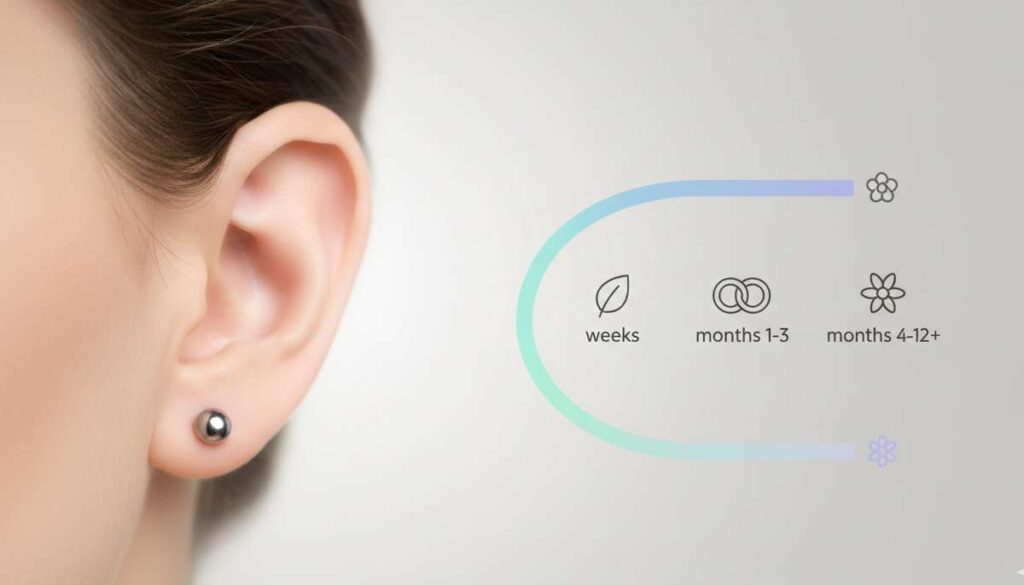
On average, cartilage piercings take anywhere from 4 to 12 months to fully heal, with most people falling in the 6 to 9 month range when proper aftercare is followed. While the outside of the piercing may look healed after a few weeks, the inner cartilage continues repairing itself for months. This happens because cartilage has limited blood flow, which naturally slows down healing.
Understanding what “healed” really means and what to expect along the way can help you avoid common mistakes, irritation, and long-term complications. Let’s break down the healing timeline so you know exactly what’s normal and what’s not.
Average Cartilage Piercing Healing Time Explained
Cartilage piercing healing time is often misunderstood because it doesn’t follow a straight line. While many people expect quick results, cartilage heals much slower than soft tissue like the earlobe. On average, most cartilage piercings take between 4 and 12 months to heal completely.
For many people, the most common healing window is 6 to 9 months, assuming proper aftercare and minimal irritation. During this time, the piercing may feel fine on the outside, but the inner cartilage is still repairing itself. This is why piercings that seem “healed” can suddenly become sore or swollen again weeks later.
It’s also important to understand the difference between initial healing and full healing. Initial healing usually happens within the first 4 to 6 weeks, when swelling and tenderness begin to fade. However, full healing happens much deeper and takes significantly longer because cartilage has very limited blood supply. Less blood flow means slower delivery of oxygen and nutrients, which slows recovery.
Healing time can also vary depending on lifestyle, piercing location, and how well aftercare instructions are followed. Sleeping on the piercing, snagging it on clothing, or changing jewelry too early can easily push healing closer to the one-year mark.
Now that you know the general timeline, let’s look at how cartilage piercings heal step by step, so you know exactly what to expect during each phase.
Cartilage Piercing Healing Stages (What to Expect)
Cartilage piercings don’t heal all at once. Instead, they go through several stages, and each stage feels a little different. Knowing what to expect can help you avoid unnecessary worry and prevent mistakes that slow healing.
Stage 1: Initial Healing (Weeks 1–6)
This is when your body reacts most strongly to the piercing. It’s completely normal to experience swelling, redness, warmth, and tenderness during this phase. The area may feel sore to the touch, and light throbbing can happen, especially in the first two weeks.
You may also notice clear or slightly cloudy fluid forming around the jewelry. This isn’t pus it’s part of the healing process. As long as there’s no spreading redness, severe pain, or thick yellow discharge, things are usually on track.
Stage 2: Outer Healing (Months 2–4)
During this stage, the piercing often looks healed on the outside. Swelling goes down, pain fades, and the area feels more comfortable. This is where many people make the mistake of thinking the piercing is fully healed.
While the skin may look calm, the inner cartilage is still fragile. Bumping the piercing, sleeping on it, or changing jewelry too soon can easily cause irritation and restart swelling.
Stage 3: Internal Cartilage Healing (Months 4–12)
This is the longest and most important stage. Deep inside the ear, cartilage tissue is slowly rebuilding itself. Because cartilage has limited blood flow, healing happens at a much slower pace compared to soft tissue.
During this phase, occasional soreness or swelling can still happen, especially after pressure or trauma. This doesn’t mean something is wrong it usually means healing is still in progress.
Understanding these stages helps explain why cartilage piercings demand patience. Next, we’ll look at what factors can speed up or slow down this healing process, so you know what really affects your timeline.
Factors That Affect How Long does it take a Cartilage Piercing to Heal
Even though cartilage piercings follow a general healing timeline, not everyone heals at the same pace. Several factors can speed things up or slow them down significantly.
Your Body and Overall Health
Your immune system plays a big role in healing. If you’re generally healthy, eat well, and stay hydrated, your body can repair tissue more efficiently. Stress, lack of sleep, or certain health conditions may slow healing and increase irritation.
Piercing Location and Type
Not all cartilage piercings are the same. A standard helix piercing often heals faster than thicker or more complex areas like the anti-tragus. The thicker the cartilage, the longer it usually takes to recover because the tissue is denser and receives less blood flow.
Aftercare and Daily Habits
Proper aftercare is one of the biggest factors in healing time. Cleaning the piercing twice daily with sterile saline helps prevent bacteria buildup. On the other hand, touching the piercing with unwashed hands, sleeping on it, or snagging it on clothing can cause repeated irritation.
Small habits matter more than people realize. Using earbuds, wearing tight hats, or letting hair products sit on the piercing can all slow healing.
Trauma and Complications
Accidental bumps, early jewelry changes, or infections can push healing back by weeks or even months. Signs like increasing pain, spreading redness, or thick discharge may signal a problem that needs professional attention.
Understanding these factors helps you control what’s within your reach. Up next, we’ll focus on cartilage piercing aftercare tips that actually support faster, safer healing.
Cartilage Piercing Aftercare Tips That Speed Healing
Good aftercare doesn’t just prevent infection it directly affects how smoothly your cartilage piercing heals. Simple daily habits can make the difference between steady healing and months of irritation.
What to Do
- Clean twice daily using a sterile saline solution. Gently spray or soak the area, then let it air dry or pat with a clean paper towel.
- Leave the jewelry in place during healing. Removing it too early can trap bacteria or cause the hole to close.
- Wash your hands before touching the piercing for any reason.
- Sleep carefully, using a travel pillow or sleeping on the opposite side to reduce pressure.
What to Avoid
- Don’t use alcohol or hydrogen peroxide. These are too harsh and can damage healing tissue.
- Avoid swimming in pools, lakes, or oceans during early healing stages.
- Skip earbuds, tight hats, and helmets that press against the piercing.
- Don’t change jewelry early, even if the piercing feels fine.
Protect the Area Daily
Be mindful of hair products, makeup, and skincare touching the piercing. Even light friction from hair or clothing can cause swelling if it happens repeatedly.
If you notice increasing pain, spreading redness, or thick yellow discharge, don’t ignore it. Reaching out to a professional piercer or healthcare provider early can prevent bigger issues.
Next, we’ll cover how to tell if your cartilage piercing is healing properly, so you know what signs to look for and what’s normal along the way.
Signs Your Cartilage Piercing Is Healing Properly
It’s normal to feel unsure about whether your cartilage piercing is healing the way it should. Healing isn’t always smooth, but certain signs usually mean things are moving in the right direction.
One of the first positive signs is reduced swelling and tenderness over time. While mild soreness may come and go, it shouldn’t steadily worsen. The area should feel less sensitive compared to the early weeks.
You may also notice clear or pale fluid around the jewelry. This is a normal healing discharge and not a sign of infection. As long as it doesn’t smell bad or turn thick and yellow, it’s usually nothing to worry about.
Another good sign is stable skin color. Some light redness is normal, especially after sleeping on the piercing or cleaning it. However, healthy healing doesn’t include spreading redness, intense heat, or throbbing pain.
Finally, a healing cartilage piercing should feel comfortable most of the time. Occasional irritation after pressure or accidental bumps is common, but constant pain is not.
Understanding these signs can give you peace of mind. Next, we’ll clear up common myths about cartilage piercing healing that often cause confusion and unnecessary mistakes.
Common Myths About Cartilage Piercing Healing
There’s a lot of misinformation around cartilage piercings, and believing the wrong advice can easily slow down healing. Let’s clear up some of the most common myths.
Myth 1: “If it doesn’t hurt, it’s healed.”
This is one of the biggest misconceptions. Cartilage can feel fine on the outside while still healing internally. Lack of pain doesn’t always mean the piercing is fully healed.
Myth 2: “Cartilage piercings heal just like earlobes.”
Earlobes have soft tissue and better blood flow, which allows them to heal much faster. Cartilage is denser and heals at a slower pace, often taking several months longer.
Myth 3: “You can change the jewelry after a few weeks.”
Changing jewelry too early can irritate the piercing and introduce bacteria. Even if the piercing looks healed, early jewelry changes can restart swelling and delay recovery.
Myth 4: “Over-cleaning helps it heal faster.”
Cleaning too often or using harsh products can dry out and damage healing tissue. Gentle, consistent care works better than aggressive cleaning.
Conclusion
Cartilage piercings require patience, consistency, and realistic expectations. While the outside of a piercing may look healed fairly quickly, true healing happens deep within the cartilage and takes time. Most people experience a healing period that lasts several months, and occasional soreness or swelling along the way is completely normal.
Understanding how long does it take a cartilage piercing to heal helps you avoid common mistakes like changing jewelry too early or ignoring proper aftercare. Gentle cleaning, protecting the piercing from pressure, and listening to your body all play a major role in a smooth recovery.
If something feels off such as increasing pain, unusual discharge, or swelling that doesn’t improve don’t hesitate to seek professional advice. With the right care and a bit of patience, your cartilage piercing can heal safely and look great for years to come.
FAQs About Cartilage Piercing Healing
Is it normal for a cartilage piercing to swell months later?
Yes, mild swelling can still happen months into healing. Cartilage heals slowly, and pressure from sleeping, accidental bumps, or irritation can cause temporary swelling. As long as it goes down and isn’t paired with severe pain or discharge, it’s usually normal.
Why does my cartilage piercing still hurt after several months?
Ongoing soreness often means the piercing is still healing internally. Cartilage tissue repairs itself gradually, and small irritations can trigger discomfort. Persistent or worsening pain, however, may point to irritation or infection and should be checked by a professional.
Can a cartilage piercing heal in three months?
While the outside may look calm after a few months, full healing almost never happens that quickly. Internal cartilage tissue usually needs many more months to recover, even if the piercing feels comfortable on the surface.
How do I know if my cartilage piercing is infected or just irritated?
Irritation usually comes and goes and improves with proper care. Infection signs include spreading redness, intense heat, severe pain, and thick yellow or green discharge. When in doubt, consult a professional piercer or healthcare provider.
Read Also: