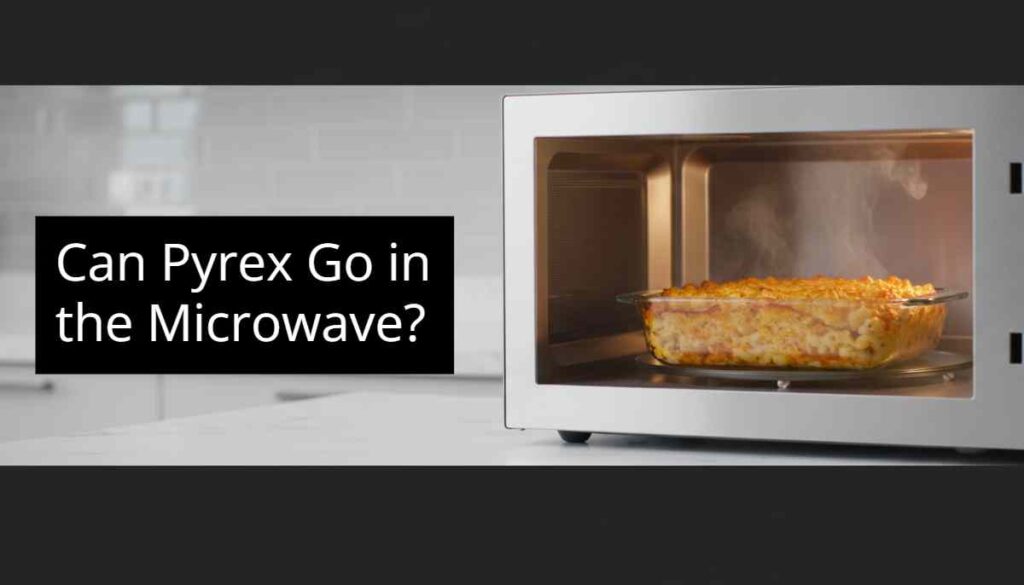
Can Pyrex go in the microwave? Yes, but only when it’s the right type and used correctly. Most modern Pyrex dishes are microwave-safe because they’re made from heat-resistant glass designed to handle microwave temperatures. If your Pyrex has a clearly marked microwave-safe label on the bottom, it’s generally safe for reheating and cooking food in the microwave.
That said, not all Pyrex is the same. Older Pyrex pieces, especially those made before the 1990s, may use a different glass formula that’s more likely to crack or shatter under sudden temperature changes. Damage like chips or cracks can also increase the risk.
The key takeaway is simple: Pyrex is safe in the microwave when you follow basic safety guidelines. Knowing what type of Pyrex you have and how to use it properly helps you avoid accidents and heat food with confidence.
Table of Contents
ToggleIs Pyrex Microwave Safe? The Short Answer
Yes, Pyrex is microwave safe if it’s clearly labeled as microwave-safe. Most Pyrex products sold today are designed to handle microwave heat without cracking or breaking when used properly. So, if you’re wondering can Pyrex go in the microwave, the answer is yes for modern, undamaged pieces that carry the correct label.
The confusion usually comes from changes in how Pyrex has been made over time. Before the 1990s, many Pyrex items were made from borosilicate glass, which is highly resistant to sudden temperature changes. After manufacturing updates in the U.S., most modern Pyrex switched to tempered soda-lime glass. While different, this glass is still microwave-safe and tested to meet safety standards but it reacts differently to extreme temperature swings.
That’s why the label matters more than the age alone. Microwave-safe Pyrex is built to heat food evenly under microwave conditions, not direct flames or rapid hot-to-cold changes. As long as you follow basic use guidelines, modern Pyrex remains a reliable choice for microwave cooking and reheating.
Why Pyrex Works in the Microwave
After understanding that Pyrex works in the microwave, it helps to know why it performs better than ordinary glass. The answer comes down to how Pyrex is made and how microwaves apply heat. Its glass composition is designed to reduce stress during heating, while microwave energy itself is less aggressive than direct heat sources. Together, these factors make Pyrex a dependable choice for reheating food when used the right way.
Glass Composition and Heat Resistance
Pyrex isn’t made like regular glass, and that difference matters in the microwave. Standard glass can heat unevenly and crack when exposed to rapid temperature changes. Pyrex, on the other hand, is engineered to handle heat more safely, which is why it’s commonly used for cooking and reheating.
Modern Pyrex is made from tempered soda-lime glass, while older versions often used borosilicate glass. Both types are stronger than ordinary glass and better at resisting stress caused by heating. This design helps Pyrex manage even heating, reducing the risk of sudden cracks. However, no glass is completely immune to thermal shock, which happens when a dish experiences extreme temperature changes too quickly.
Microwave vs Direct Heat
Another reason Pyrex works well in the microwave is how microwaves heat food. Microwaves warm food by exciting water molecules, creating heat from the inside out. This process is much gentler than direct heat from stovetops, ovens, or broilers, which apply intense heat to one spot.
Many people assume that if Pyrex can go in the oven, it should handle any heat source but that’s not true. Direct flames and broilers create extreme, uneven temperatures that increase the risk of breakage. Microwaves, when used correctly, apply controlled heat, making Pyrex a safer option for everyday reheating and cooking.
How to Tell If Your Pyrex Is Microwave-Safe
Knowing whether your Pyrex is microwave-safe is simple once you know what to look for. A quick check can help you avoid cracks, shattering, or messy accidents.
Check the Microwave-Safe Label
The easiest and most reliable way to tell is by checking the bottom of the dish. Most modern Pyrex clearly marks microwave-safe products.
Look for:
- The words “Microwave Safe” stamped or printed on the base
- A microwave icon (often wavy lines or a small microwave symbol)
- Care instructions indicating safe microwave use
If your Pyrex doesn’t have any of these markings, it doesn’t automatically mean it’s unsafe but it does mean you should be more cautious.
Age Matters: Old vs Modern Pyrex
The age of your Pyrex plays a big role in microwave safety.
- Pre-1990s Pyrex was often made from borosilicate glass, which handles heat well but can still shatter under sudden temperature changes
- Modern Pyrex is usually made from tempered soda-lime glass and is tested to meet microwave safety standards
- Older pieces may have weakened over time due to small scratches, chips, or repeated heating
Because older Pyrex may react poorly to thermal shock, it’s safer to avoid microwaving it especially straight from the fridge. When in doubt, replace vintage pieces with clearly labeled, microwave-safe Pyrex for everyday use.
Safe Ways to Use Pyrex in the Microwave
Using Pyrex in the microwave is generally safe, but how you use it makes a big difference. Following a few simple habits can help prevent cracks, spills, or sudden breakage.
Best Practices for Heating Food
To heat food safely and evenly in Pyrex, keep these best practices in mind:
- Start with short heating intervals
Heat food in 30–60 second bursts instead of long cycles. This reduces stress on the glass and helps prevent uneven heating. - Stir food halfway through
Stirring spreads heat evenly and minimizes hot spots, which can place extra pressure on the dish. - Avoid overfilling the container
Leave space at the top so food can expand and heat evenly without boiling over or creating pressure points. - Use microwave-safe covers
Choose vented lids or microwave-safe wrap to prevent splatters while allowing steam to escape.
Temperature Change Mistakes to Avoid
Sudden temperature changes are one of the biggest reasons Pyrex fails in the microwave. Avoid these common mistakes:
- Don’t go straight from fridge to microwave
Cold Pyrex exposed to microwave heat too quickly can experience thermal shock. Let it sit at room temperature for a few minutes first. - Let hot Pyrex cool before washing
Never place a hot dish under cold running water. Allow it to cool naturally to prevent cracking. - Avoid extreme heat jumps
Switching between freezer, microwave, and sink without cooling time increases the risk of breakage.
By using these safe practices, you can confidently microwave Pyrex while extending the life of your glassware and keeping your kitchen safer.
Potential Risks of Microwaving Pyrex
While Pyrex is generally safe for microwave use, there are a few risks you should understand to avoid accidents. Most problems happen when the glass is stressed beyond what it’s designed to handle.
Thermal Shock Explained Simply
Thermal shock is the most common reason Pyrex breaks. Think of it like pouring cold water onto a hot windshield it can crack instantly. The same thing can happen when Pyrex experiences a sudden temperature change, such as going from the refrigerator straight into the microwave or from a hot microwave to a cold sink.
Even though Pyrex is made to resist heat, rapid shifts don’t give the glass time to adjust. Research and user reports consistently show that these quick temperature jumps not the microwave itself are the main cause of shattering incidents.
Cracks, Chips, and Uneven Heating
Damaged Pyrex is another hidden risk. Small cracks, chips, or deep scratches weaken the structure of the glass, making it more likely to fail under heat.
Uneven heating can also create problems:
- Dense or thick foods heat faster in certain areas
- Hot spots put extra pressure on weakened areas of the dish
- Overfilled containers increase stress as food expands
Many user experiences shared online point to existing damage combined with uneven heating as the real cause of breakage. Inspect your Pyrex regularly, and if you notice damage, it’s best to replace it rather than risk using it in the microwave.
When You Should Not Microwave Pyrex
Even though Pyrex is designed for microwave use, there are times when it’s best not to put it in the microwave. Knowing these situations can help prevent damage and keep you safe.
- Metal rims or lids
Pyrex dishes with metal trims, bands, or non-microwave-safe lids should never go in the microwave. Metal can spark and cause damage to both the dish and the appliance. - Cracked, chipped, or scratched dishes
Any visible damage weakens the glass. Even small cracks or deep scratches can cause Pyrex to break suddenly when heated. - Extreme temperature changes
Avoid moving Pyrex directly from the freezer or refrigerator into the microwave. Sudden heat changes increase the risk of thermal shock and shattering.
If your Pyrex shows any of these issues, it’s safer to choose another microwave-safe container rather than risk an accident.
Pyrex vs Other Microwave-Safe Containers
Choosing the right container for the microwave matters for both safety and convenience. Here’s how Pyrex compares to other common microwave-safe options.
Pyrex vs Regular Glass
Regular glass isn’t made to handle rapid heating. It can warm unevenly and is more likely to crack or shatter in the microwave. Pyrex is specifically engineered to resist heat stress, making it safer for reheating and cooking food. Its thicker, tempered design helps reduce the risk of breakage when used correctly. For frequent microwave use, Pyrex is far more reliable than everyday glass dishes or bowls.
Pyrex vs Plastic Containers
Plastic containers are lightweight and convenient, but they come with trade-offs. Over time, some plastics can warp, stain, or absorb food odors. There are also health concerns around chemicals leaching into food when plastic is heated, especially if the container isn’t clearly labeled microwave-safe.
Pyrex offers a durable, non-reactive alternative. It doesn’t absorb smells, won’t stain easily, and doesn’t release chemicals when heated. While plastic may be suitable for quick reheating, Pyrex is often the better long-term choice for safety and durability.
Conclusion: Can Pyrex Go in the Microwave Safely?
Can Pyrex go in the microwave safely? Yes, It can when you use it the right way. Modern Pyrex that’s clearly labeled microwave-safe is designed to handle microwave heat without cracking or breaking. The key is following simple guidelines, like avoiding sudden temperature changes, not using damaged dishes, and heating food evenly.
Before microwaving, always check the label on the bottom of the dish and inspect it for cracks or chips. Let cold Pyrex warm up slightly before heating, and allow hot dishes to cool before washing. With proper care and careful handling, Pyrex remains a safe, reliable option for everyday microwave use.
FAQs About Pyrex and Microwaves
Can old Pyrex go in the microwave?
Older Pyrex, especially pieces made before the 1990s, may not be as reliable in the microwave. These dishes can react poorly to sudden temperature changes, so it’s safer to avoid microwaving them if they aren’t clearly labeled microwave-safe.
Why did my Pyrex crack in the microwave?
Cracking usually happens due to thermal shock, uneven heating, or existing damage like small cracks or scratches. Rapid temperature changes and overfilled dishes can also increase the risk.
Can Pyrex lids go in the microwave?
Some Pyrex lids are microwave-safe, but not all. Always check the label. Glass lids without metal rims are usually safe, while plastic lids should be vented and marked microwave-safe.
Is Pyrex safer than plastic in the microwave?
Yes, Pyrex is generally considered safer. It doesn’t release chemicals when heated, doesn’t warp, and handles microwave heat better than many plastic containers.
Can Pyrex go from fridge to microwave?
It’s best to avoid this. Let the dish sit at room temperature for a few minutes to reduce the risk of thermal shock.
Read Also: How Often Do Septic Tanks Need to Be Pumped? (3-5 Year Rule)