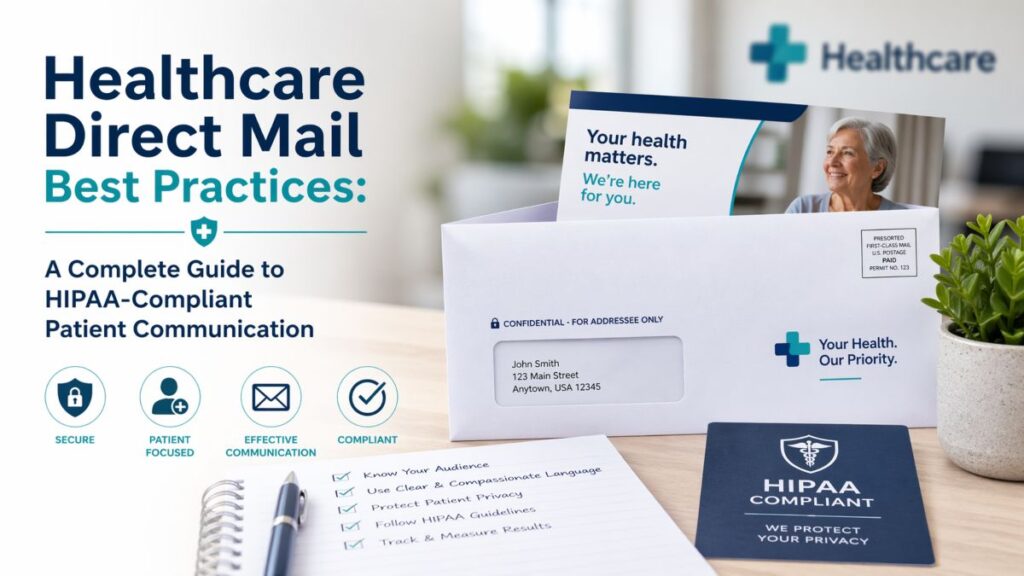
Healthcare organizations are increasingly turning to direct mail as a reliable, personalized, and compliant way to communicate with patients. From appointment reminders to billing statements and wellness campaigns, direct mail plays a critical role in improving patient engagement and operational efficiency. However, the healthcare industry must adhere to strict privacy regulations, making it essential to follow best practices and use secure mailing solutions.
In this article, we’ll explore healthcare direct mail best practices and how leveraging HIPAA-compliant direct mail solutions can help your organization stay compliant while delivering impactful communication.
Why Direct Mail Matters in Healthcare
Despite the rise of digital communication, direct mail continues to be one of the most trusted and effective channels in healthcare. Patients are more likely to open and read physical mail compared to emails, especially when it involves sensitive health information.
Direct mail is commonly used for:
- Appointment reminders
- Billing and invoices
- Prescription notifications
- Preventive care campaigns
- Patient onboarding materials
When executed correctly, direct mail can enhance patient trust, improve response rates, and reduce missed appointments.
Understanding HIPAA Compliance in Direct Mail
Before diving into best practices, it’s crucial to understand the importance of HIPAA compliance. The Health Insurance Portability and Accountability Act (HIPAA) mandates strict protection of Protected Health Information (PHI).
Any direct mail communication that includes patient data must:
- Ensure data security during processing and delivery
- Limit access to authorized personnel only
- Use secure printing and mailing systems
- Maintain audit trails and compliance documentation
Failure to comply can result in severe penalties and reputational damage.
To ensure compliance, healthcare providers should rely on trusted platforms like HIPAA-compliant mailing solutions that are specifically designed to handle sensitive patient information securely.
Key Healthcare Direct Mail Best Practices
For a deeper dive into implementation strategies, refer to this guide on PostGrid Healthcare Mailing Best Practices
1. Prioritize Data Security
Data protection should be your top priority. Ensure that all patient information is encrypted, securely stored, and transmitted through compliant systems. Avoid manual handling of sensitive data whenever possible.
2. Use Verified Address Data
Incorrect addresses can lead to misdirected mail and potential data breaches. Always validate and update your mailing lists using address verification tools like Clearout to ensure accuracy.
3. Personalize Patient Communication
Patients respond better to personalized communication. Use variable data printing to include patient names, relevant health information, and tailored messaging. People are more likely to engage with personalized healthcare emails and direct mail that include relevant wellness content, such as information about prenatal chiropractic care during pregnancy-related outreach campaigns.
However, personalization must be balanced with compliance—only include necessary information and avoid exposing sensitive details unnecessarily.
4. Automate Mailing Workflows
Manual mailing processes are prone to errors and inefficiencies. Automation helps streamline operations, reduce human error, and ensure consistent compliance.
Automated systems can:
- Trigger mail based on patient actions
- Schedule recurring communications
- Track delivery and performance
5. Maintain Audit Trails
Keeping detailed records of your mailing processes is essential for compliance. Audit trails help demonstrate that your organization follows HIPAA regulations and can be critical during inspections or investigations.
6. Use Secure Print and Mail Vendors
Partnering with a reliable provider ensures that your direct mail campaigns are handled securely from start to finish. Look for vendors that offer:
- HIPAA compliance certifications
- Secure data handling practices
- End-to-end encryption
- Access controls
Benefits of HIPAA-Compliant Direct Mail Solutions
To learn more about secure solutions, visit PostGrid HIPAA Compliant Mail Solutions
Using a HIPAA-compliant direct mail platform offers several advantages:
Enhanced Data Protection
These platforms are built with security-first architecture, ensuring that patient data is protected at every stage.
Improved Operational Efficiency
Automation reduces manual work, speeds up processes, and minimizes errors.
Scalability
Whether you’re sending hundreds or millions of mail pieces, compliant solutions can scale with your needs.
Better Patient Engagement
Timely, personalized communication improves patient satisfaction and response rates.
Regulatory Peace of Mind
With built-in compliance features, you can focus on patient care without worrying about legal risks.
Common Mistakes to Avoid
Even well-intentioned healthcare organizations can make mistakes when implementing direct mail campaigns. Here are some common pitfalls:
Including Excessive PHI
Only include the minimum necessary information. Avoid printing sensitive medical details unless absolutely required.
Ignoring Address Hygiene
Failing to update mailing lists can result in returned mail or data exposure.
Using Non-Compliant Vendors
Working with vendors that lack HIPAA compliance can put your organization at risk.
Lack of Staff Training
Employees handling patient data should be trained in HIPAA regulations and secure data practices.
How to Choose the Right Direct Mail Partner
Selecting the right partner is crucial for success. Here are key factors to consider:
Compliance Capabilities
Ensure the provider offers full HIPAA compliance with proper certifications and safeguards.
Automation Features
Look for platforms that support API integrations, automated workflows, and real-time tracking.
Security Measures
Check for encryption, secure data storage, and access controls.
Experience in Healthcare
Choose a provider with proven expertise in healthcare communications.
The Future of Healthcare Direct Mail
As healthcare continues to evolve, direct mail is becoming more sophisticated. Integration with digital systems, advanced personalization, and real-time analytics are transforming how organizations communicate with patients. Many providers are also pairing direct mail with HIPAA-compliant texting to create multi-channel outreach strategies that reach patients through both physical and digital touchpoints.
Emerging trends include:
- Hybrid mail solutions (digital + physical)
- AI-driven personalization
- Predictive communication strategies
- Enhanced tracking and reporting
By adopting modern tools and following best practices, healthcare providers can stay ahead of the curve while maintaining compliance.
Conclusion
Healthcare direct mail remains a powerful communication tool when implemented correctly. By following proven healthcare direct mail best practices and leveraging HIPAA-compliant direct mail solutions, organizations can ensure secure, efficient, and effective patient communication.
From data security and automation to personalization and compliance, every aspect of your direct mail strategy should be carefully planned and executed. Partnering with a trusted provider like PostGrid can help streamline your processes and give you confidence in your compliance efforts.
Start optimizing your healthcare mailing strategy today and deliver better experiences for your patients—securely and efficiently.
Read Also: Email Marketing Strategies for Business Coaches That Actually Convert